
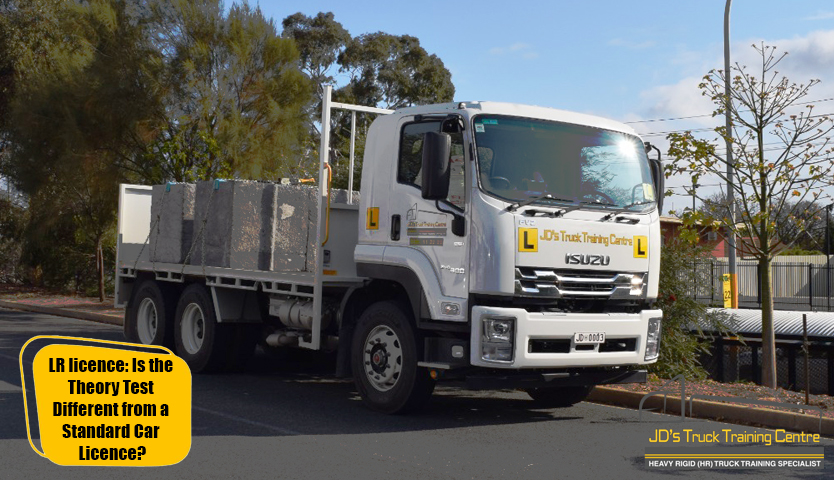
LR licence seekers often wonder if they need to study new material for their theory assessment. Many drivers assume the rules stay the same as a standard car licence. However, driving a larger vehicle brings new responsibilities and specific safety requirements. You must understand how weight affects your braking distance and road positioning. While your basic road knowledge helps, the theory test for heavy vehicles introduces specific industry standards. This guide explains the key differences you need to know before sitting your exam.
The Specialized Theory Assessment
Obtaining an LR licence requires you to pass the Heavy Vehicle Theory Test. This test differs significantly from the one you took for your initial car licence. It focuses heavily on the National Heavy Vehicle Law and South Australian Road rules. You will face questions about legal driving hours and fatigue management. The test also covers vehicle dimensions and height clearances for bridges or tunnels. You cannot simply rely on your car driving experience to pass this specialized assessment.
Moving Beyond Basic Road Rules
Many students who eventually look into HR Licence Training start by mastering these LR theory basics. The theory components for all rigid licences share a common foundation in heavy vehicle safety. You must learn about “Load Restraint” to ensure your cargo does not shift during transit. Understanding how to handle a vehicle with a higher center of gravity is also crucial. This knowledge keeps you safe and prevents rollovers on sharp corners. These advanced topics are rarely covered in a standard car licence test.
Specific Focus Areas for Light Rigid Vehicles
The MR Licence theory test also emphasizes passenger safety if you plan to drive small buses. You must know the regulations regarding standing passengers and emergency exits. Additionally, the test covers the “Gross Vehicle Mass” (GVM) and how it dictates where you can drive. Certain roads have weight limits that car drivers never have to consider. Learning these rules ensures you avoid heavy fines and keep the public safe. Active preparation is the best way to ensure you pass the theory component on your first attempt.
Key Differences in the Theory Test
- Fatigue Management: You must understand work and rest requirements to stay legal.
- Vehicle Inspections: You learn how to perform daily safety checks on larger frames.
- Braking Systems: The test covers how weight impacts your total stopping power.
- Road Access: You study which routes allow or restrict heavy vehicle traffic.
The theory test for a light rigid vehicle is more detailed than a standard car test. It demands a professional understanding of road safety and vehicle mechanics. Preparing thoroughly ensures you become a safe and competent driver on South Australian roads. For expert guidance and the best preparation for your test, contact JD’s Truck Training Centre. They provide the tools you need to succeed in your heavy vehicle journey.
Read More: Light Rigid Licence for Couriers: Upgrading Your Delivery Van Capacity